
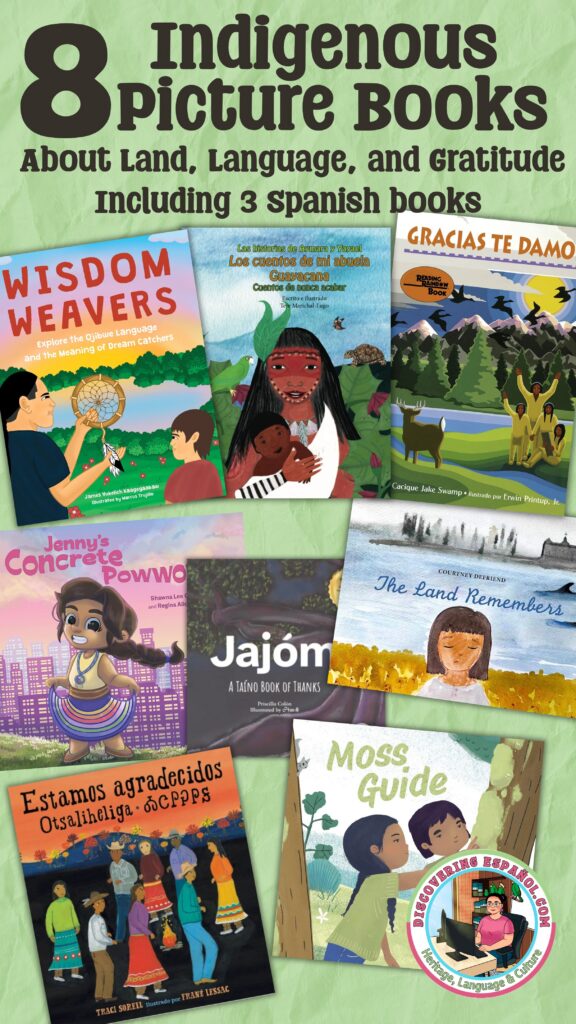
Stories teach children who they are and how to care for the world around them. These eight picture books center the land, Indigenous languages, family, identity, and gratitude. A few are in Spanish, one is bilingual, and all of them are worth sharing at home or in the classroom, whatever languages you speak.
Indigenous Picture Books
Disclosure: This post contains affiliate links. If you make a purchase using the link, I will receive a small monetary compensation. Thank you! A big thank you to Publisher Spotlight and Read Your World for sending me some of these books my way, all opinions and reviews, as always, are my own!
Jajóm A Taíno Book of Thanks by Priscilla Colón
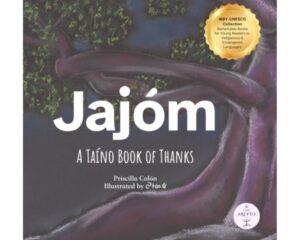
Jajóm, A Taíno Book of Thanks truly touched my heart. I won this book in giveaway hosted by Read Your World. Thank you! Jajóm, A Taíno Book of Thanks is from author Priscilla Colón.
Ever since I started blogging back in 2014, I started a journey to teach my son about his Taíno ancestry so this book feels especially meaningful. So many of us grew up hearing that the Taíno people “disappeared,” yet our traditions, our words, and our values tell a different story. Many words that we use today in both the Spanish and English languages have Taíno roots. This book gently reminds children, and adults that our Indigenous Caribbean roots are very much still alive.
I love how Priscilla wrote this book using simple sentences and beautiful illustrations so children can learn to say “thank you” in Taíno to friends, teachers, animals, and nature. The bilingual format, pronunciation guide, and fun facts make it accessible and engaging for early learners.
More than a language lesson, Jajóm is an invitation to practice daily gratitude while honoring the legacy of our ancestors. It’s a beautiful book for classrooms and families who want to nurture both cultural pride and thankful hearts.
Created by writer and illustrator Priscilla Colón, who aims to revive the Taíno language, this engaging book for ages 2 to 10 celebrates Taíno heritage. A Spanish edition is also available titled Jajóm: Un libro taíno de gracias. A story every library needs.
You can watch an interview with Priscilla Colón on Read Your World here.
Gracias te damos by Cacique Jake Swamp
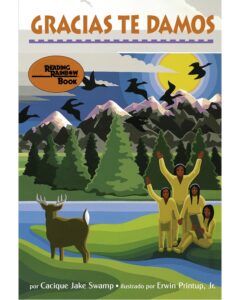
This is the Spanish edition of Giving Thanks, based on the Haudenosaunee Thanksgiving Address, a message of gratitude that Mohawk families have taught their children to begin each day with. The words are simple and calm, and the book is a beautiful way to start a morning or a lesson. Chief Jake Swamp was a founder of the Tree of Peace Society and shared the Thanksgiving Address around the world.
The book also has a Reading Rainbow selection to its name. It shows young readers that thanking the natural world is a daily practice. It is perfect for gratitude conversations in Spanish. Perfect for reading aloud, whether at home or at school.
Estamos agradecidos by Traci Sorell
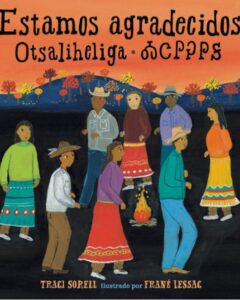
This is the Spanish edition of We Are Grateful: Otsaliheliga. It shows a Cherokee community giving thanks for the blessings and challenges that each season brings. Traci Sorell is an enrolled citizen of the Cherokee Nation, so this is modern Native American life told from the inside. The complete Cherokee syllabary is included, which makes the book a great fit for curious readers and for language lovers. Frané Lessac illustrated it. For bilingual families and classrooms, it is an easy way to talk about gratitude, seasons, and community in Spanish.
You can watch an interview with Traci Sorell on Read Your World here. A book every home and classroom library should have.
The Land Remembers by Courtney Defriend
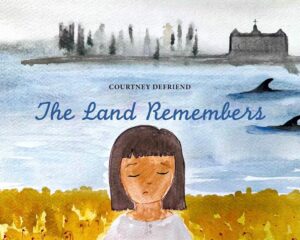
This lyrical poem follows Tumuxw, Mother Earth, as she comforts her children through the passage of time.
Courntey’s words have a way of making a truly horrible and painful memory easily digestible for young readers. It is a gentle, quiet read, and it opens a door for conversations about belonging, ancestors, and the connection between people and place.
What really stayed with me is how she beautifully expresses how the land helps her children remember who they are, even when others have tried to convince them otherwise. Courtney Defriend, a member of the Stz’uminus Nation, wrote and illustrated the book herself, with watercolors.
Highly recommend this calm read-aloud for any home or classroom library.
Jenny’s Concrete Powwow by Shawna Lee Corbould and Regina Alice Wilman
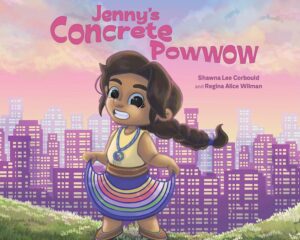
Jenny would rather stay in the city with her friends than go to her first powwow. A bit hesitant, and uncertain of what to expect even when her mother reassured her that she’d love it. However, soon enough as soon as she arrives, she feels a deep connection to nature, to the powwow, and to the community. Back in the city the next day, she follows a crow to a park and finds that same spark within herself.
Too often, children who grow up far from their communities feel a disconnect from their culture and heritage. Ojibwe author Shawna Lee Corbould wrote this story inspired by her own experience of being raised in the city and visiting the reservation. Her message to readers is that the connection to who you are can always be found within yourself. Regina Alice Wilman’s illustrations bring the story to life.
A beautiful story of finding yourself no matter where you are. A meaningful way to bring Native voices and stories into your home or classroom library.
Moss Guide by Carol Rose Goldeneagle
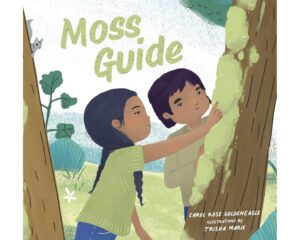
It is so easy for children to lose the sense of time and wander away when playing and having fun. The Moss Guide by Carol tells the story of two children get lost in the forest in the Mahtawi-sipiy backcountry. Thankfully, they remember Mooshum’s teaching about the moss that grows on the north side of the trees, and it helps them find their way home.
This is a beautiful reminder that the knowledge our elders pass down has real value and real power. Carol Rose GoldenEagle is Cree/Dene, and Trisha Marie illustrated the book. As an educator and a parent, I am always looking for stories that honor the wisdom of grandparents and elders, and this one does that well.
A wonderful addition to any bookshelf, at home or in the classroom.
Las Historias de Atabey y Yayael: Los Cuentos de mi abuela Guayacana by Tere Marichal
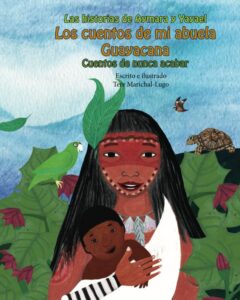
For families who want to share Puerto Rico’s Taíno roots with children, this series is a gift. Tere Marichal, a Puerto Rican storyteller, illustrator, and puppeteer, brings Taíno children and their world to young readers in Spanish.
Las Historias de Atabey y Yayael is a Spanish children’s book that tells the stories of Abuela Guayacana. Short stories with taíno indigenous symbols such as, la hamaca, el bohío, el cetí, el carey, la iguaca and more.
Stories like these matter so much for families from the Caribbean specifically from Puerto Rico, Cuba and the Dominican Republic because they connect language with heritage. Children get to read in Spanish about the history of the island, and that makes the language feel meaningful. I recommend it for heritage speakers, for Spanish learners, and for anyone who wants to know more about Borikén.
A beautiful story to share with children in any home or classroom.
Wisdom Weavers by James Vukelich Kaagegaabaw
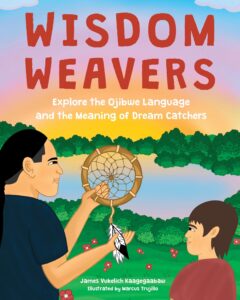
Many years ago, I learned superficially about the dream catchers but didn’t know the true meaning of their origin or about the Ojibwe culture. I’m excited to have had the opportunity to read this book Wisdom Weavers: Explore the Ojibwe Language and the Meaning of Dream Catchers by Author James Vukelich Kaagegaabaw.
This book follows a day in the life of an Ojibwe family and teaches more than 70 Ojibwe words and phrases along the way. Children learn how to welcome the morning, say I love you, show gratitude, and make an offering, among other things. A son learning about the Ojibwe tradition of the dream catcher gives the story its heart.
This is a sweet story of Jack and his dad as they go about their day using Ojibwe language (that you can also listen to by scanning a QR code right on the page). Dad explains to Jack the meaning of the dream catchers, they even make one together and talk about the Ojibwe’s wisdom passed on from their elders.
This picture book is a wonderful combination of raising awareness and educating about the Ojibwe culture and language. The backmatter offers simple instructions on how to make your very own dream catcher, and more Ojibwe words with QR codes. I admit, I was excited to listen to the pronunciation of the Ojibwe words and I’m sure your children and/or students will too. I highly recommend having it in your home or classroom library.
You can watch an interview with James Vukelich Kaagegaabaw on Read Your World here.
If you enjoyed this list, you may enjoy these too:
Native American Corn Husk Dolls and Navajo Sand Art
Five Tasty Indigenous Recipes to Celebrate Native American Heritage Month
Native American Cherokee Trail River Festival